Pinterest Predicts 2026: What These Trends Actually Say About Culture (and Brands)

Editor’s note:
As this article was finalized, Pinterest announced a workforce reduction impacting a significant portion of its team. Before engaging with the ideas that follow, we want to acknowledge the very real human impact of that news. The depth, creativity, and cultural insight reflected in Pinterest Predicts exists because of people—their judgment, taste, and care. This work is shared with empathy for those affected, and with appreciation for the individuals whose contributions made this cultural analysis possible.
Every year, Pinterest Predicts offers a preview of what’s coming next before it’s algorithmically flattened, commercially diluted, or stripped of meaning.
But trend reports aren’t roadmaps.
They’re pressure readings.
Trends don’t tell us what to do. They tell us what people are responding to. Pinterest Predicts 2026 is unusually clear in what it reveals: we are entering a year defined by emotional contrast, sensory hunger, and a rejection of flatness in all its forms.
Across all 21 trends, one message repeats itself in different languages:
People don’t want more options. They want more feeling.
At MaximalistPR, we read trend reports not to replicate aesthetics, but to identify cultural tension. The emotional needs brands will be asked to meet next, whether they’re ready or not.
Here’s what Pinterest Predicts 2026 is actually telling us:
Ornament Is Back…Because life Isn’t Neutral


For nearly a decade, restraint has been positioned as sophistication. Clean design. Muted palettes. Fewer words. Less feeling.
Minimalism wasn’t just an aesthetic; it became a moral position. Pinterest Predicts 2026 signals the collapse of that belief.
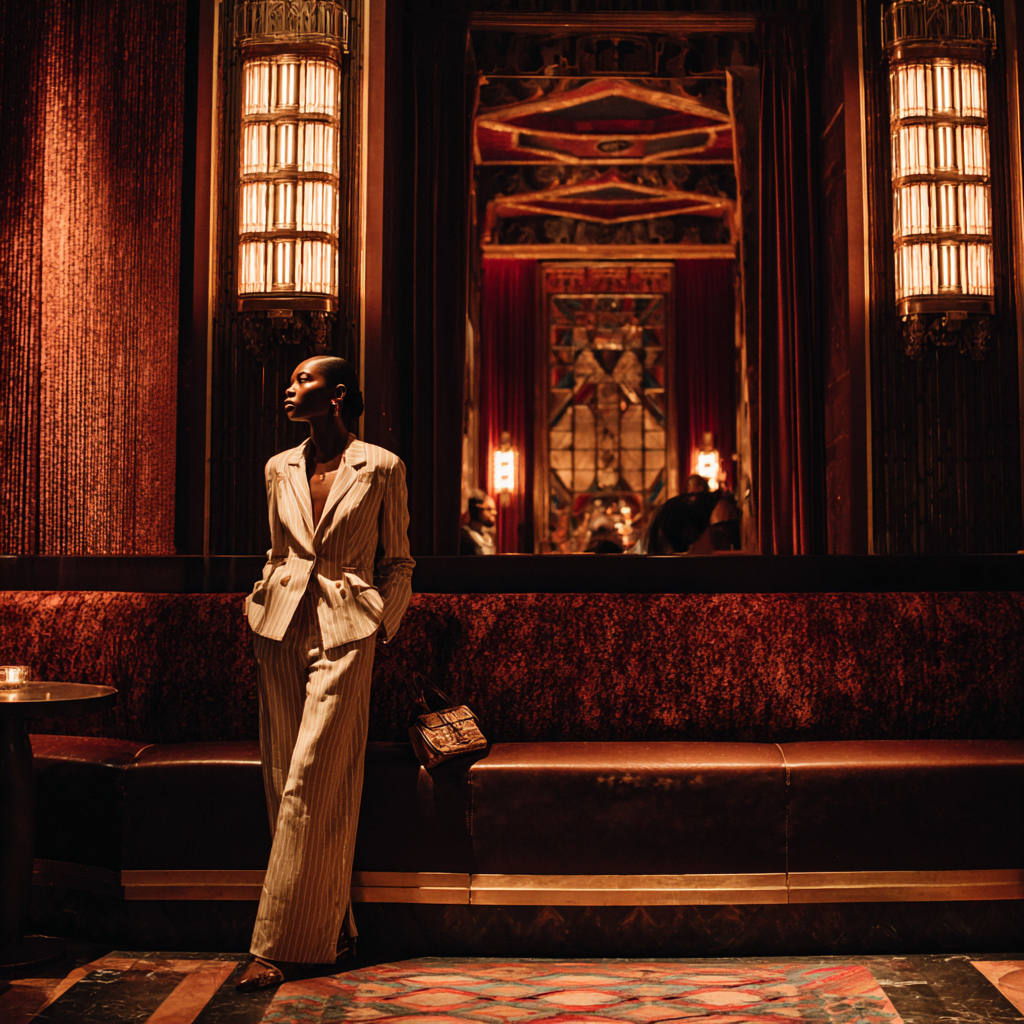
Trends like Glamoratti, Neo Deco, Brooched, Afrohemian Decor, Opera Aesthetic, and FunHaus all point to the same realization: neutrality now reads as avoidance. Silence feels evasive. Beige feels uncommitted.
But this shift isn’t a return to chaos. It’s a return to intentionality.
Ornament in 2026 is authorship rather than decorative filler. It’s structure. It’s choice. It’s edited excess that communicates confidence rather than indecision.
For brands, this matters deeply. Because environments, events, and experiences that lack personality no longer feel “safe.” They feel underdeveloped.
The brands that will stand out aren’t the loudest. They will be the ones who know what to emphasize, what to layer, and what to leave out.
Maximalism isn’t about more for the sake of more. It’s about knowing where to lean in.
People Want to Feel Things Again (Physically)
Digital life is efficient. Frictionless. Optimized.
It is also emotionally numbing.
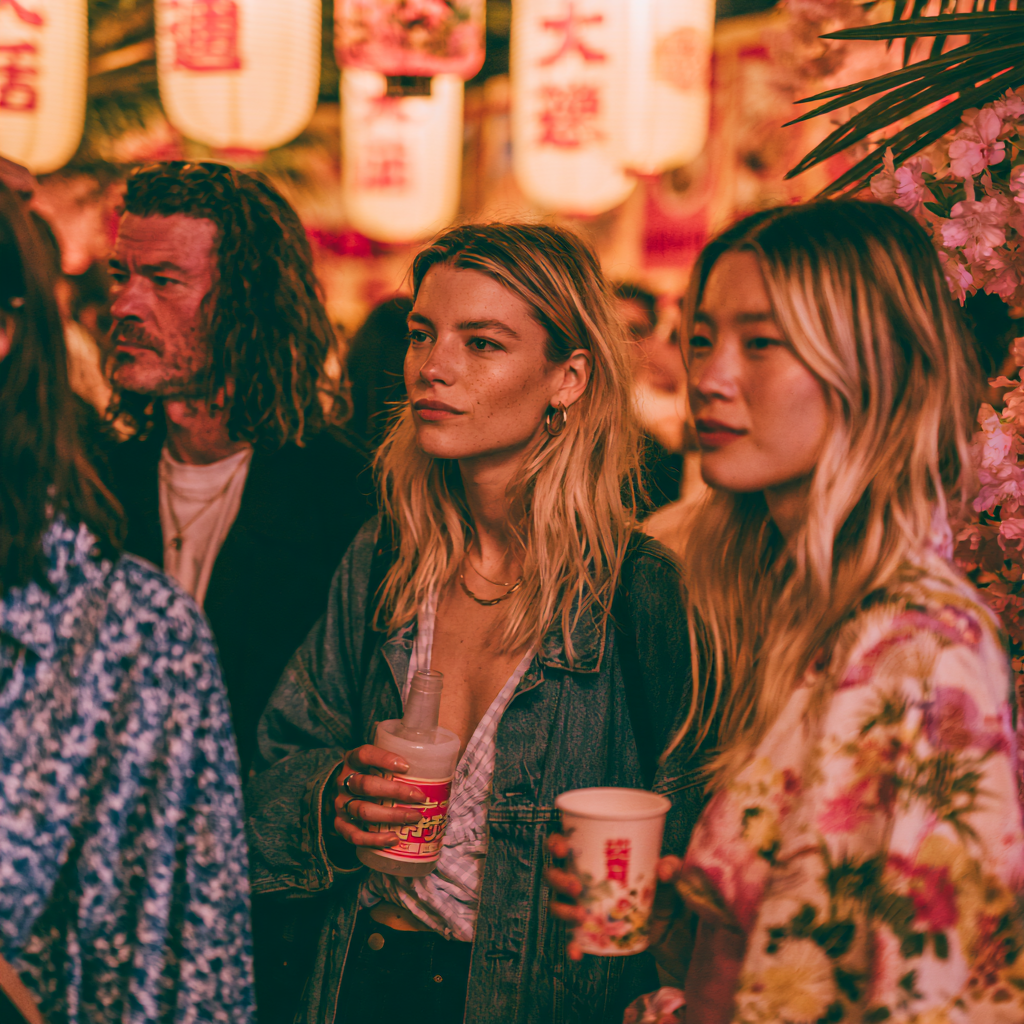
Pinterest Predicts 2026 reveals a clear backlash against disembodied experience. Trends like Gimme Gummy, Scent Stacking, Glitchy Glam, and Cabbage Crush are signals of a culture craving texture, imperfection, and transformation.
This is not accidental.
Touch creates memory faster than visuals. Scent anchors emotion longer than language. Transformation feels more luxurious than polish.
In a world where everything is screen-based, physical sensation becomes premium. This is why experiential marketing continues to outperform static campaigns. Not because it’s flashy, but because it engages the body as well as the mind.
For brands, the implication is simple but uncomfortable: If your activation can be fully experienced through photos, it’s not finished.
In 2026, memorability will come from how something feels, not how it looks online.
Fantasy Isn’t Escapism. It’s Emotional Relief.
One of the most consistent signals across Pinterest Predicts 2026 is a return to fantasy, mysticism, and atmospheric storytelling.
Trends like Mystic Outlands, Extra Celestial, Vamp Romantic, and Wilderkind aren’t based in denial or delusion of the present. They’re about relief.
We live in a culture that explains everything, optimizes everything, and tracks everything. People are exhausted by clarity. Fantasy offers something rare: space. Mood. Permission not to understand immediately.
For brands, this marks a crucial shift. Over-explaining kills intrigue. Over-informing flattens experience.
The most compelling brand moments in 2026 won’t guide people step-by-step. They’ll create environments that reward curiosity, slowness, and interpretation.
World-building is no longer overtly expository. It’s a response to cognitive overload.
Earnestness Is the New Rebellion
Another unmistakable signal in Pinterest Predicts 2026 is the collapse of irony as a dominant tone.
Snark fatigue is real. Detachment has lost its edge. Self-awareness without sincerity now feels hollow. Trends like Pen Pals, Poetcore, Laced Up, and Throwback Kid point to a cultural desire for intimacy, softness, and narrative.
Handwritten elements. Craft. Memory. Deliberate slowness. We’re not regressing, but instead, recalibrating in real-time.
In a hyper-performative culture, sincerity becomes radical. In a digital-first world, physical gestures feel luxurious.
For brands, this changes how voice, invitation, and storytelling function. The most resonant experiences in 2026 will feel personal even when they scale.
We’re Living in Emotional Extremes and Brands Need Range.
Perhaps the most important insight from Pinterest Predicts 2026 is this: people are not choosing one emotional mode. They’re oscillating.
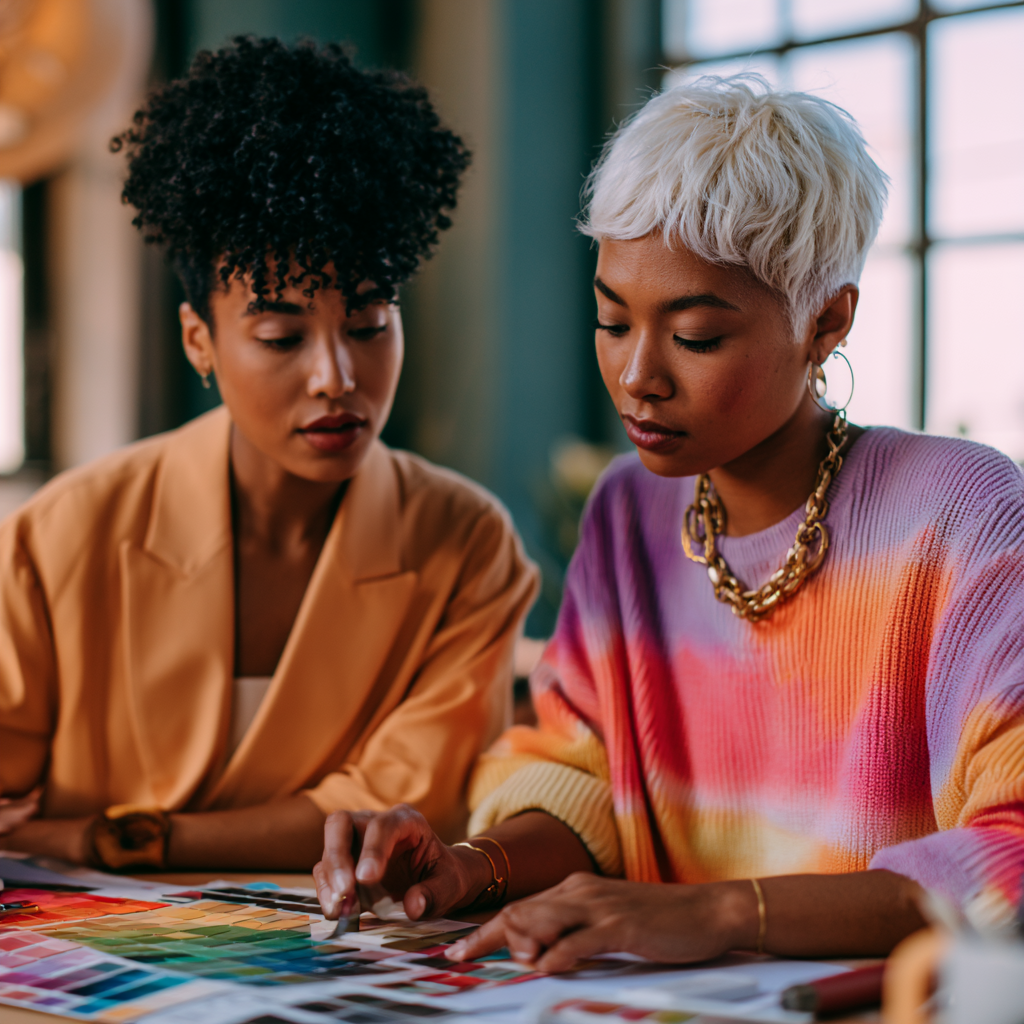
In comparison to the grandiosity of the other themes, trends like Cool Blue, Khaki Coded, and Darecations reveal a push-pull between restraint and intensity, preparedness and thrill, calm and confrontation.
Some moments require full emotional immersion. Others demand cool control.
Brands that operate at only one volume, always loud or always restrained, will feel incomplete. The future belongs to brands that understand emotional pacing, from the build-up of tension to the relief of release. This is where experiential strategy becomes essential, not as spectacle, but as orchestration.
What This Means for Brands Moving Forward
Pinterest Predicts 2026 doesn’t offer brands a menu of aesthetics. It presents a decision:
Do you want to be consumed or experienced?
Across all 21 trends, the throughline isn’t novelty. It’s depth. Sensation. Emotional authorship. People are choosing brands the same way they choose spaces, rituals, and relationships now: based on how those things make them feel over time.
This is where many brands will struggle, not because they lack creativity or budget, but because they lack a point of view. A brand’s judgment is reflected in its taste, restraint and emotional awareness. Knowing when to be quiet is just as important as knowing when to indulge, when to pull back, and when to push further.
In 2026, experiential strategy stops being a “nice to have” and becomes a differentiator, not because every brand needs a signature event, but because every brand needs clarity around how it wants to be perceived in the real world.
Pinterest Predicts 2026 doesn’t describe a louder future. It describes a more deliberate one. A future where ornament is chosen, not accidental. Where fantasy offers relief, not distraction. Where intimacy is designed, not scaled. Where intensity is used with care.
At MaximalistPR, we see this moment as an inflection point, not toward more spectacle, but toward better decision-making. Toward experiences that are intentional, dimensional, and emotionally literate.
In 2026, memorability won’t belong to the most visible brands. It will belong to the ones who understand when to speak and when to let the experience do the talking.
Trending Stories