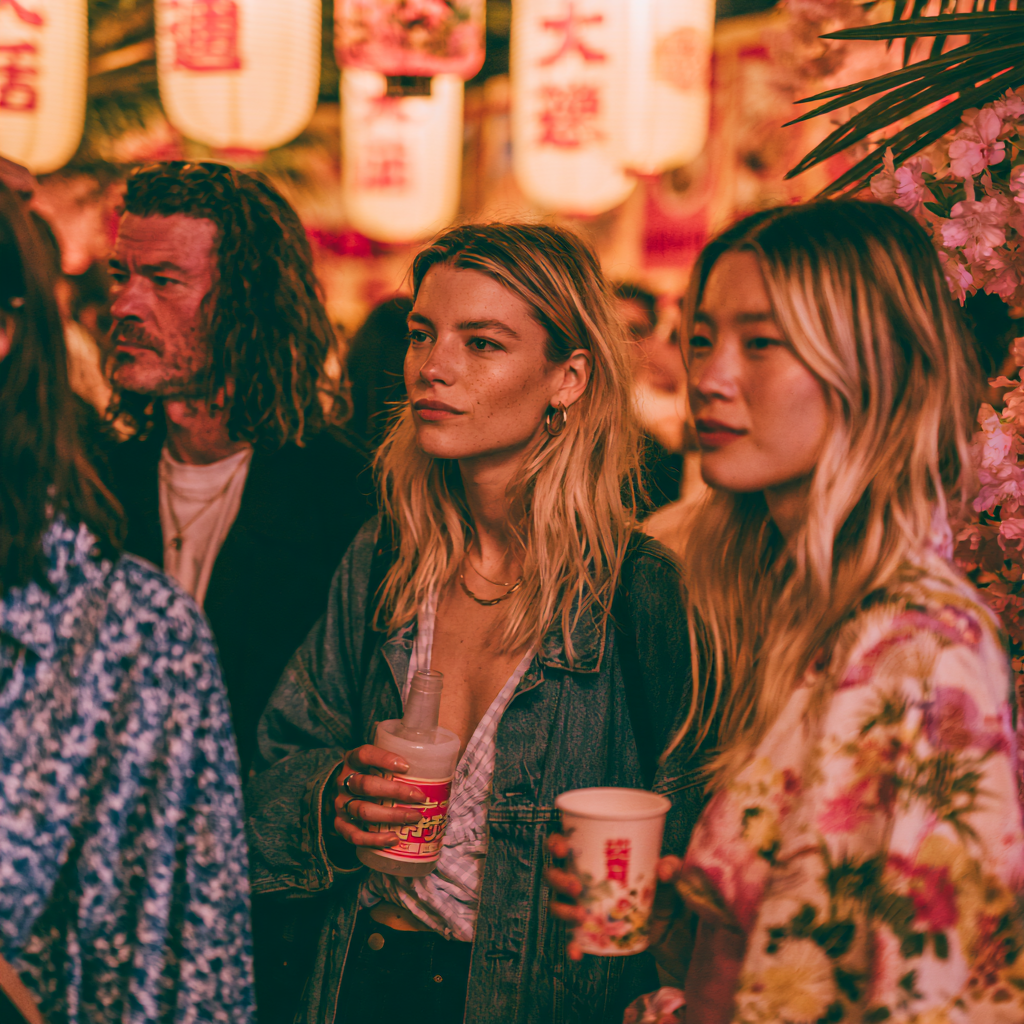
Your Design Looks Expensive. Your Execution Doesn’t.
Thoughts On direction, intention, and what actually gives a luxury experience weight.
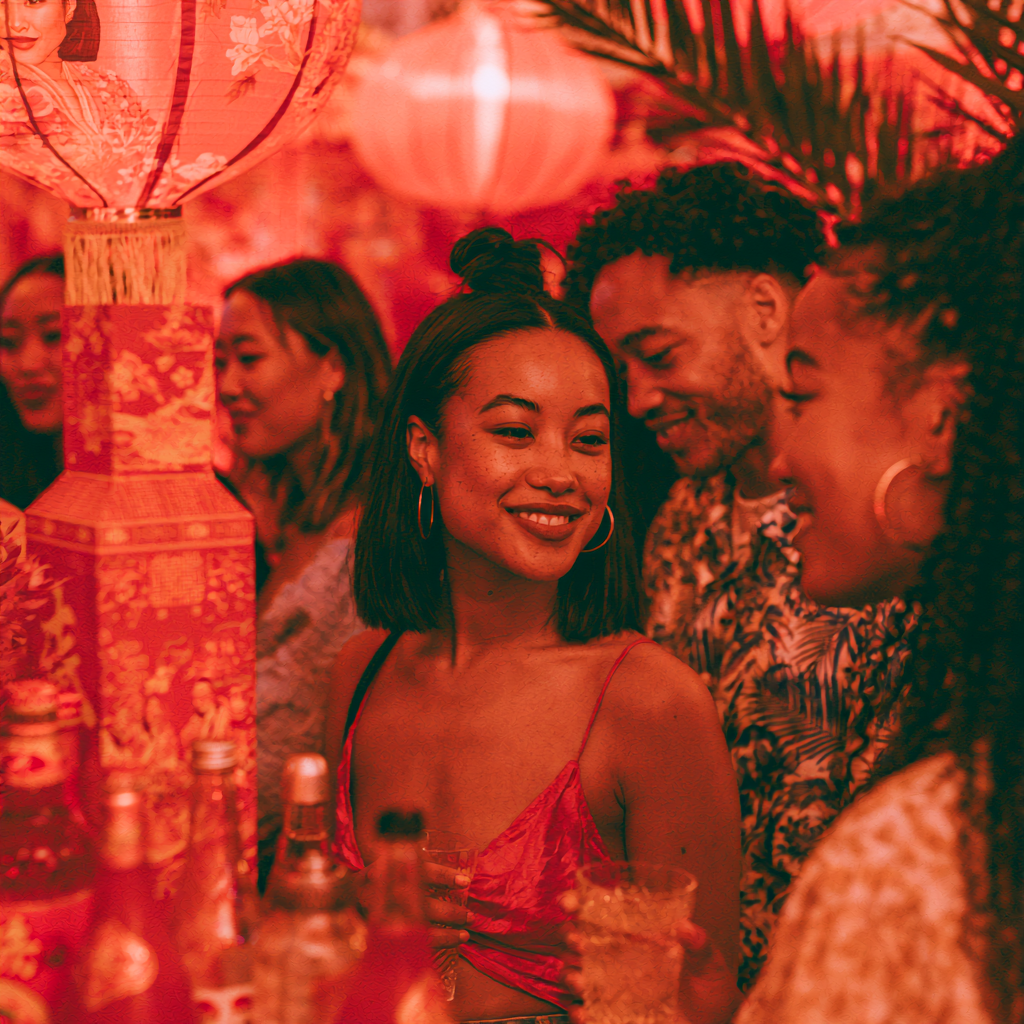
Luxury has Gotten Louder
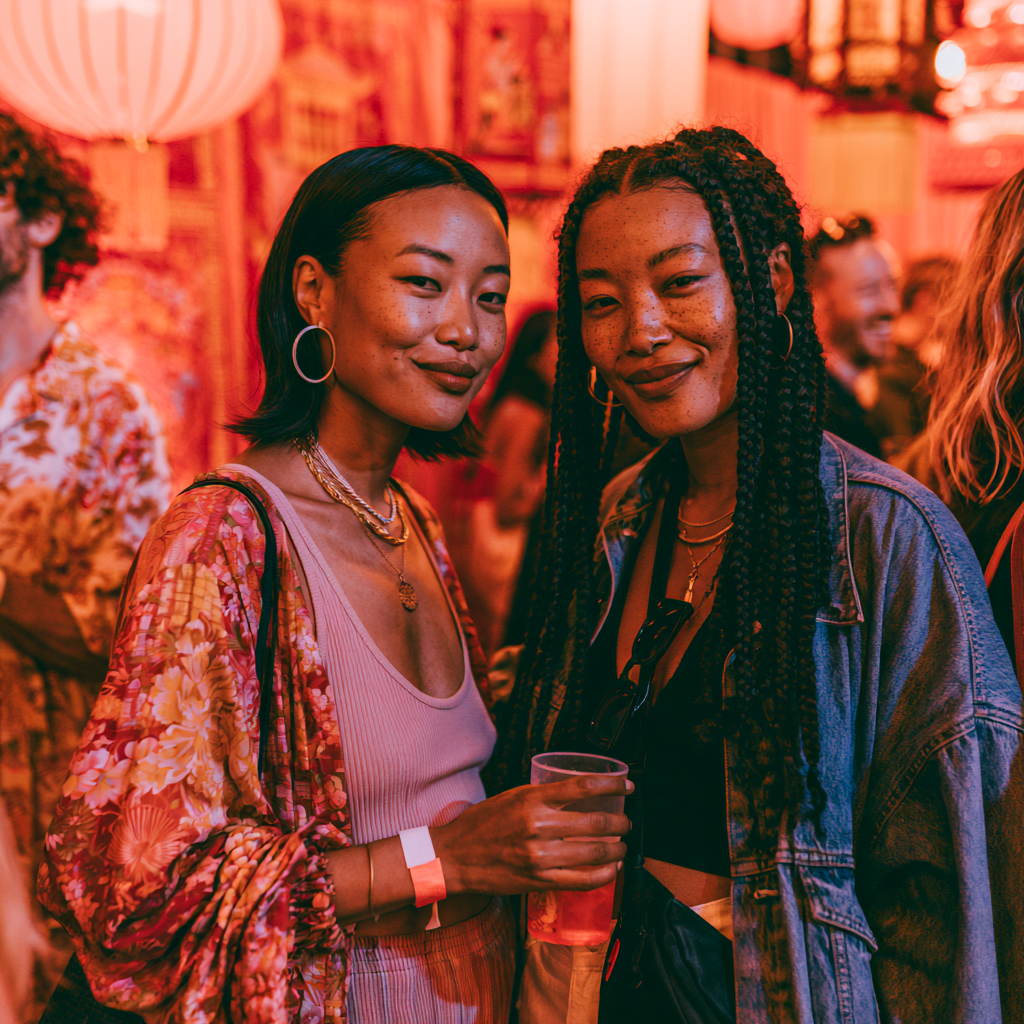
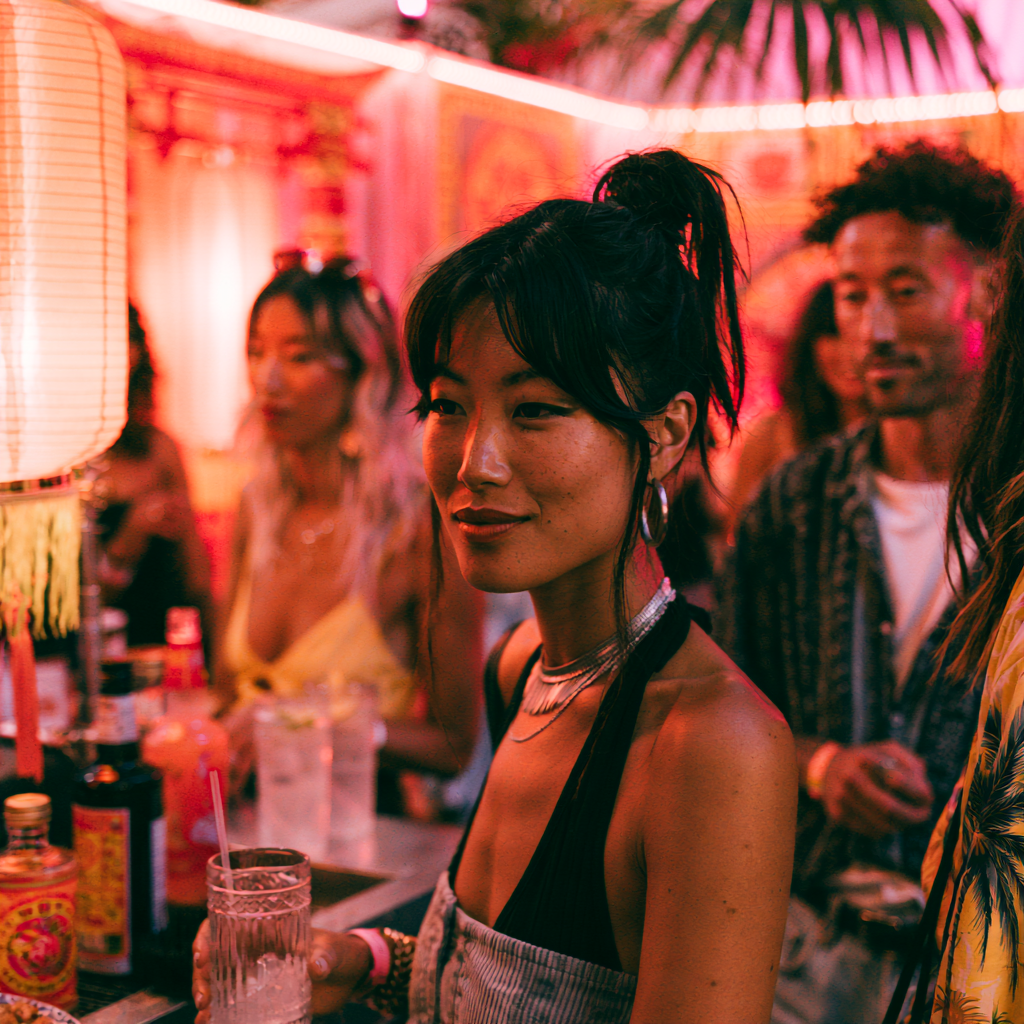
Not necessarily in a way that feels intentional, but in how much is being layered into a single experience. More visual moments, materials, and elements are competing for attention at once, all working a little harder to signal value upfront. You can see the effort and investment, yet much of it feels less defined than it should.
Volume on its own doesn’t create impact. It just creates more to process. When everything is emphasized, your attention has nowhere to land, and the experience starts to feel unfocused, no matter how expensive it looks.
The difference is direction
A lot of what’s being labeled as luxury right now is technically correct. The materials are right. The execution is clean. The environment looks the way it’s supposed to. There’s nothing obviously wrong with it, but it doesn’t always feel straightforward.
There’s no clear sense of what’s driving the experience beneath the surface, no perspective shaping how it unfolds or what it’s meant to leave behind. Without that, even the most well-produced space starts to feel generic. It looks expensive, but it doesn’t feel distinct. Some might call this maximalist luxury, but even if it were, there are still principles to follow.
Maximalism still requires editing
There’s a common assumption that maximalism is about adding as much as possible.
In reality, maximalism demands discipline, just applied differently. Maximalist editing is not about reducing the number of elements, but about being precise with them. Knowing what earns its place and what doesn’t. Understanding how each detail contributes to the overall experience, rather than letting everything exist at the same level.
That distinction is subtle, but powerful. Without editing, even the most visually striking space will lack hierarchy and ultimately, feel flat. Your attention will constantly shift, but never settle long enough for anything to take hold.
More isn’t the problem
The issue isn’t that there’s too much. Some of the most compelling luxury experiences are expansive by design. They’re layered, detailed, and immersive, which is exactly where maximalism, when done intentionally, becomes a strategy rather than a style. There’s a lot happening, and that’s exactly what makes them interesting. Those layers aren’t random; they build on each other in a way that feels deliberate, like each detail is reinforcing something, telling another part of a story, or adding to the lore.
When there’s no clear point of view holding everything together, “more” stops feeling rich and starts feeling unresolved. You move through the space noticing everything, but nothing feels prioritized. It becomes difficult to tell what matters, which makes it harder for anything to stay with you afterward.
Specificity is what gives it weight
Luxury isn’t defined by how much is there; it’s defined by how intentional it feels.
When something is specific, you can sense the decisions behind it. The materials don’t just look expensive; they feel bespoke. The layout doesn’t guide you; it reveals something as you move through it. The experience isn’t interchangeable, because it’s been shaped too deliberately to belong to anyone else.
That’s what gives it weight. Not restraint for the sake of restraint, but clarity within complexity.
Luxury doesn’t need to prove itself
When an experience is built with intention, it doesn’t need to announce it. There’s less pressure to make every detail immediately visible or understood. Some things sit in the background. Others surface themselves over time. The space assumes that the person moving through it is paying attention, rather than trying to capture their attention all at once.
That shift changes how participants engage with it. You move more slowly, even if you don’t realize it. You start to notice things in pieces. The experience unfolds instead of presenting itself fully formed from the start. The unfolding is what makes it memorable.
Don’t Be quieter. be sharper.
Luxury doesn’t need to be minimal. It can be layered, expressive, even overwhelming in the right hands. But it needs direction. It needs a point of view strong enough to glue all of those elements together and give them a single purpose.
With a strong point of view, even the most detailed, maximal environments feel clear, but without one, everything starts to blur, no matter how much effort went into its planning and execution.
Trending Stories